"NON NAI LONG SOP" means sleeping in a coffin
This temple, Wat Prommanee, 66 miles northeast of Bangkok, has offered its unusual daily resurrection service for more than three years, and its clientele keeps growing,
Thais believe that daily resurrection washes away bad luck and helps to prolong their lives. It also gives them positive thoughts, so that a lot of these people come back again to Wat Prommanee Temple to rebirth themselves over and over again.
On weekends as many as 700 people a day pay 180 baht each, a little more than $5, for the ceremony and much more for amulets that are auctioned off by temple acolytes.
“We have only 50 of these, a limited edition, the price is up to you!” they cry. “Twenty baht, 50 baht, did I hear 300 baht? Someone has run into luck.” As the number of visitors has grown, their dip into the supernatural has become more perfunctory; now a monk with a bullhorn herds worshipers through the row of coffins, nine at a time.
they follow the monks’ commands: into the coffin, down on their backs, eyes closed, shroud on, shroud off, up on their feet, quick prayer and scramble out into a new life. The whole process takes a minute and a half. The next group of nine is waiting.
A cardboard sign warns visitors not to stand behind the coffins, where bad karma sucked from the “dying” devotees may still be hovering.
The rebirth ceremony is unusual, but not surprising, said Suwannan Sathta-Anand, an associate professor of philosophy at Chulalongkorn University in Bangkok.
The people who come to be reborn here at Wat Prommanee are seeking help for many of the ailments and aspirations of life.
Jirapat Winarungruang, 37, a lawyer, came one recent day to complete a transformation that he began four years ago when he changed his name from the less auspicious Suthep Wina. His new name includes the suffix rungruang, which means prosperity.
Fifty percent of a person’s destiny is determined by his name, Mr. Jirapat said, and the other 50 percent by his date of birth. When he arose from the coffin, born again, he said, the last vestiges of the old Suthep Wina would be gone.
Woraphot Sriboonyang, 30, an engineer, said he had come with Mr. Jirapat and four other family members to rid himself of bad karma. Within just a few weeks, he said, he had suffered a break-in and a bad car accident. He wanted his run of bad luck to stop at two.
Sangkhom Thani, 37, who sells subsidized food for the government, said he hoped for luck in business and relief for his aching back and knees. “If I lie down in the coffin, it will give me a new lease on life,” he said as he examined an expensive new amulet.
Chalida Muansawang, 33, a hairdresser, brought her 12-year-old daughter, Saksithorn, in the hope that a few moments in a coffin would help cure her hyperactivity.
“I’m excited and a little bit scared,” said the girl, who proceeded bravely through the process with her mother lying next to her in an adjacent coffin.
As the morning’s ceremony ended, a long line had already formed for the afternoon shift. Among the newcomers was the entire 36-man Royal Thai Army soccer team, in bright red jerseys, preparing for a match the next day.
seekdonation
*** a memorable & enjoyable holiday trip starts here !!!
Monday, June 29, 2015
Bangkok Coffin Donation - Wat Hua Lamphong beside San Yan MRT station
there are many coffin donation temples in Bangkok, the easy to get there temple is at Ruamkatanyu Foundation 泰国义德善堂 chinese temple義德堂 beside Sam Yan MRT station not BTS. next to the chinese temple is Wat Hua Lamphong thai temple and after coffin donation, you can prayed at Wat Hua Lamphong temple. you will achieved double merits !!!
Getting There: ruamkatanyu is open 24 hours
if you are in MBK or pratunam area, we strongly suggest take a taxi instead bts or train about $100 baht ($4 Singapore dollar) less than 30 mins to get there.


Getting There: ruamkatanyu is open 24 hours
if you are in MBK or pratunam area, we strongly suggest take a taxi instead bts or train about $100 baht ($4 Singapore dollar) less than 30 mins to get there.


you can donate coffins for the burial of the destitute deceased at 500 baht (Singapore $25). This goes towards the payment for the coffin & burial ceremony for those who can't afford the cost of death rites or unclaimed bodies from accidents or illnesses.
Coffin donation is considered a form of merit-making for the Thais. It's an act of compassion even if you are not Buddhist.
You will have 2 slips of paper when you make the donation; the pink one, you stick to the wooden empty coffin & the white slip you burn it at an altar where the deities are. It takes less than 15 minutes to make a donation.
below advice on what to do:
1. go to the reception and pay 500baht per coffin, the helpful volunteer will help you write the name on the receipt (for family donation write xxx + family), you write the pink copy which is to be pasted on the coffin (no worry coffin is empty).

2. paste the pink slip on the coffin, say some prayer or your request or wishes. after you pasted the pink slip on the coffin, collect 20 joss sticks and proceeded to the main temple hall


3. before you burn the receipt, said some prayers or your wish or request. after you burnt the receipt, proceed to put your joss sticks according to the urn number 1 to 7 in the chinese temple


4. congrat, you have obtained merits and will have better live onward !!!! now proceed to pray at the wat hua lamphong thai temple for more merits and good luck !!! recommend you do it yearly.


2. paste the pink slip on the coffin, say some prayer or your request or wishes. after you pasted the pink slip on the coffin, collect 20 joss sticks and proceeded to the main temple hall


3. before you burn the receipt, said some prayers or your wish or request. after you burnt the receipt, proceed to put your joss sticks according to the urn number 1 to 7 in the chinese temple


4. congrat, you have obtained merits and will have better live onward !!!! now proceed to pray at the wat hua lamphong thai temple for more merits and good luck !!! recommend you do it yearly.

Sunday, June 28, 2015
Bangkok map and getting around via bts or mrt
there are 2 types train stations in bangkok - BTS (this is common around bangkok) and MRT
The BTS is undoubtedly the swiftest way to get around, and can whisk you right where you want to be in no time at all. It's a cheap, smooth, cool, clean, fast and scenic way to enjoy Bangkok. Major shopping malls, Chatuchak Weekend Market, all Sukhumvit Road's attractions, and even the riverside are accessible by Skytrain.
While the Silom line runs west to south, the Sukhumvit line runs north to east (see the BTS route guide). So, if you're new to Bangkok, it's a great way to find your way around and see a large part of what the city has to offer. Note that Service runs between 06:30 and midnight, and the trains can be packed during peak hours (07:00 - 09:00 and 16:00 - 19:00).
The BTS is undoubtedly the swiftest way to get around, and can whisk you right where you want to be in no time at all. It's a cheap, smooth, cool, clean, fast and scenic way to enjoy Bangkok. Major shopping malls, Chatuchak Weekend Market, all Sukhumvit Road's attractions, and even the riverside are accessible by Skytrain.
While the Silom line runs west to south, the Sukhumvit line runs north to east (see the BTS route guide). So, if you're new to Bangkok, it's a great way to find your way around and see a large part of what the city has to offer. Note that Service runs between 06:30 and midnight, and the trains can be packed during peak hours (07:00 - 09:00 and 16:00 - 19:00).
Fares and Skytrain Passes :
if you travel bangkok every year, we strongly recommend purchase of the BTS RABBIT card (B100 for fare + 50 baht card deposit refundable) so no need to queue and last for 5 years.
The BTS Rabbit cards are used to access all stations. Fares start at 15 baht per one stop. A one-day pass may be a good option for those planning to do a lot of hopping on and off for one full day. But if you plan to be in Bangkok for a while, it might be a good idea to buy the BTS Smart Pass.
One-day Pass
Unlimited travel within the duration of a single day for 120 baht. Ideal for tourists.
Standard Rabbit Card / Stored Value Cards
These are available for 100 baht plus 50 baht refundable deposit. The Standard Rabbit Cards are valid for 5 years and can be filled with a minimum of 100 baht and up to 4,000 baht.
30-Day Pass for Adults
- For 15 trips (use within 30 days), 25 baht per trip unlimited distance, it costs 375 baht.
- For 25 trips (use within 30 days), 23 baht per trip unlimited distance, it costs 575 baht.
- For 40 trips (use within 30 days), 21 baht per trip unlimited distance, it costs 840 baht.
- For 50 trips (use within 30 days), 20 baht per trip unlimited distance, it costs 1,000 baht.
The following stations offer facilities (such as elevators) for disabled people: Mo Chit, Siam, Asok, On Nut and Chong Nonsi. BTS Tourist Information Centers can be found at Siam, Nana and Saphan Taksin stations. A very informative BTS city map can be picked up free from any station.
from Suvarnabhumi Airport to (phaya thai station) 45 baht compared taxi at 400baht. take bts from phaya thai to the siam station to go to downtown.
Saturday, June 27, 2015
Bangkok - feeding fishes for good merit
Thailand is predominantly a Buddhist nation, temples can be found everywhere. Practicing Buddhists in Thailand frequently donate food, and other offerings, to the monks who roam the housing estates and streets of Thailand early every morning to accept these generous gifts.
This act of giving to the monks, is one way for a Thai person to make merit, and is instantly rewarded by a feeling of well being for the giver, as well as a prayer from the monk receiving the gift. Another way of making merit, is to visit the Wat, or temple, and make donations and offerings there.
FEEDING or releasing fishes in the chao praya river for merits and well being.
visit the temples along waterways located in the chao praya river.
Each temple that is located on the river, will normally have a fish feeding station, where you can buy pellets that cost just 20 Baht for a small bucket to 100 Baht for a larger bucket, or a whole loaf of bread for 20 Baht. Once the fish food has been bought, it is time to get the camera ready and start feeding the fish!. Most of the fish you will see are catfish, and they can grow to quite massive size.
my favorite temple for feeding fishes is wat yannawa beside saphan taksin pier (this is the pier you get to Asiatique Shopping Malls.Wat Yannawa
How to get there:
note the vendor selling fish foods closed at 7pm
Charoen Krung Rd, next to Saphan Taksin BTS station and Sathorn express boat pier
Opening Hours: Daily 09:00 to 17:30
How to get there: To get here from Saphan Taksin BTS station, take exit 4 at the east side of the station, walk straight to Charoen Krung Road, take a right and the temple is a short walk away on the right.
you need about an hour to feed the fishes and a must-visit unique temple: Wat Yannawa
The glittering rooftop spires of Wat Yannawa are difficult to miss when approaching Saphan Taksin BTS station or Sathorn express boat pier along the Chao Phraya river. With its elaborate hall of relics and unique wiharn that looks like an old Chinese trading junk, we can’t find any reason not to include Wat Yannawa on a sightseeing tour. Wat Yannawa is a chinese and thai temple.
Wat Yannawa is an old Buddhist temple dating back to the Ayutthaya period, located in the Sathon district of Bangkok on Charoen Krung Road, Bangkok, Thailand. It has a unique junk shaped chedi and viharn built by King Rama III.
my favorite temple for feeding fishes is wat yannawa beside saphan taksin pier (this is the pier you get to Asiatique Shopping Malls.Wat Yannawa
walk to the end of the temple, you will see below signboard pointing to the place to feed the fishes
fish foods can be purchased from the stall beside the river
a big load of bread at 20 baht (about 80 cents singapore) or small pail fish foods at 20 baht, big pail fish foods 100 baht (about $4 singapore ). note: the vendor selling fish foods closed at 7pm
there are alot of pigeons. just ignore them and feed the fishes
How to get there:
note the vendor selling fish foods closed at 7pm
Charoen Krung Rd, next to Saphan Taksin BTS station and Sathorn express boat pier
Opening Hours: Daily 09:00 to 17:30
How to get there: To get here from Saphan Taksin BTS station, take exit 4 at the east side of the station, walk straight to Charoen Krung Road, take a right and the temple is a short walk away on the right.
you need about an hour to feed the fishes and a must-visit unique temple: Wat Yannawa
The glittering rooftop spires of Wat Yannawa are difficult to miss when approaching Saphan Taksin BTS station or Sathorn express boat pier along the Chao Phraya river. With its elaborate hall of relics and unique wiharn that looks like an old Chinese trading junk, we can’t find any reason not to include Wat Yannawa on a sightseeing tour. Wat Yannawa is a chinese and thai temple.
Wat Yannawa is an old Buddhist temple dating back to the Ayutthaya period, located in the Sathon district of Bangkok on Charoen Krung Road, Bangkok, Thailand. It has a unique junk shaped chedi and viharn built by King Rama III.
“Excellent acupuncture in Bangkok for treating twisted ankle”
If you need acupuncture in Bangkok go to the Wat Yannawa temple (Thai: วัดยานนาวา) for the Promwachirayan Center Clinic of Thai and Chinese Traditional Medicines. It is an excellent Chinese-Thai wellness center where you can receive acupuncture, aromatherapy and massage. It is clean, professional, reasonable prices, fast service and easy to find with very helpful staff with tolerance to understand my English given that, unfortunately, I do not speak Thai or Chinese.
My ankle was so badly swollen and black and blue despite icing it the night before. Dr. Panidsakpatana’s treatment was acupuncture with electrical stimulation. She also provided Chinese anti-inflammatory herbal tablets. I was in and out of the clinic in one hour! The total cost was 850 baht.
Tuesday, April 14, 2015
Caught on camera: Airport employees steal from tourists' luggage
AsiaOne Travel | Tue, Apr 14 2015
every tourists' worst nightmare - to open their luggage upon arriving at their destination and to discover that their valuables are missing.
In a shocking video expose by CNN on April 14, employees from various US airports were seen rifling through checked baggage and taking valuable items out of them.
A hidden camera footage showed a worker taking a wad of cash from a wallet, and in another video clip, a security guard looked the other way while a baggage handler was rummaging through checked bags, said CNN.Valuable belongings such as electronic gadgets (iPads, iPhones), jewellery, money and cameras were popular items reported stolen by airport employees.Since 2010 to 2014, a CNN analysis said there were over 30,000 reported claims of missing valuables, with over 25,000 cases reported to be items stolen from checked luggage. More than 5,600 thefts also occurred at security checkpoints.
According to CNN, the estimated total property loss was a staggering US$2.5 million (S$3.4 million) during that research period.
Most of the theft claims happened at John F. Kennedy International Airport in New York, followed by Los Angeles International, Orlando International and Miami International, according to the analysis.
CNN has advised travellers to pack their expensive belongings into hand-carry luggage.US police is working to stop these thefts.
In Miami and Orlando, employees are required to be screened through metal detectors.Over in Los Angeles, police executed search warrants on 25 locations in 2014, said CNN, after reported complaints of thefts in two terminals.Don't miss these... Checkpoint clearance could go high-techMore secrets about flying that are best left unknown7 more dirty little secrets of the travel industry Revealed: 9 'dirty little secrets' of the travel industry The search led to 16 airport workers being fired.Patrick Gannon, police chief of Los Angeles International Airport, told CNN that theft was cut by 60 per cent due to the "aggressive investigative work".
Travellers are advised to be prudent as luggage theft is not confined to airport employees, said CNN.Other reported cases of theft include video footage showing luggage being stolen from the carousels.These cases are "relatively low", said CNN, but it "continues to be a problem".
AsiaOne Travel | Tue, Apr 14 2015
every tourists' worst nightmare - to open their luggage upon arriving at their destination and to discover that their valuables are missing.
In a shocking video expose by CNN on April 14, employees from various US airports were seen rifling through checked baggage and taking valuable items out of them.
A hidden camera footage showed a worker taking a wad of cash from a wallet, and in another video clip, a security guard looked the other way while a baggage handler was rummaging through checked bags, said CNN.Valuable belongings such as electronic gadgets (iPads, iPhones), jewellery, money and cameras were popular items reported stolen by airport employees.Since 2010 to 2014, a CNN analysis said there were over 30,000 reported claims of missing valuables, with over 25,000 cases reported to be items stolen from checked luggage. More than 5,600 thefts also occurred at security checkpoints.
According to CNN, the estimated total property loss was a staggering US$2.5 million (S$3.4 million) during that research period.
Most of the theft claims happened at John F. Kennedy International Airport in New York, followed by Los Angeles International, Orlando International and Miami International, according to the analysis.
CNN has advised travellers to pack their expensive belongings into hand-carry luggage.US police is working to stop these thefts.
In Miami and Orlando, employees are required to be screened through metal detectors.Over in Los Angeles, police executed search warrants on 25 locations in 2014, said CNN, after reported complaints of thefts in two terminals.Don't miss these... Checkpoint clearance could go high-techMore secrets about flying that are best left unknown7 more dirty little secrets of the travel industry Revealed: 9 'dirty little secrets' of the travel industry The search led to 16 airport workers being fired.Patrick Gannon, police chief of Los Angeles International Airport, told CNN that theft was cut by 60 per cent due to the "aggressive investigative work".
Travellers are advised to be prudent as luggage theft is not confined to airport employees, said CNN.Other reported cases of theft include video footage showing luggage being stolen from the carousels.These cases are "relatively low", said CNN, but it "continues to be a problem".
Saturday, February 21, 2015
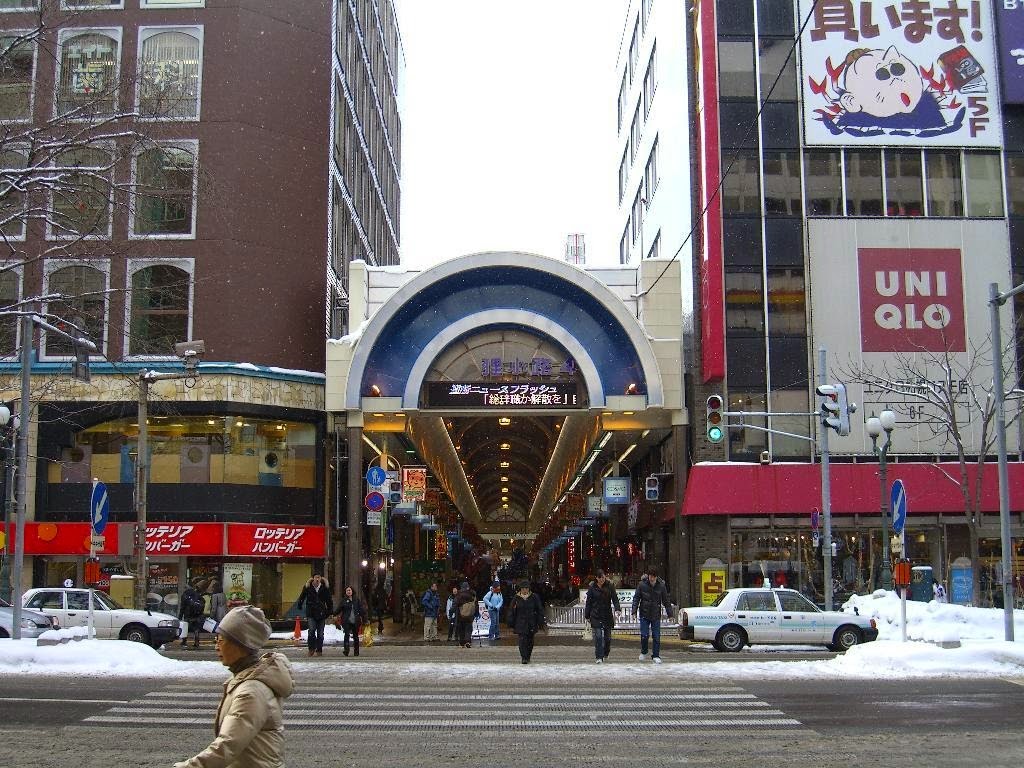
Sapporo - Japan, a great place to relax and shopping
Sapporo - Japan
a great place to relax and easy to move about especially all the shopping centre are near one another.
free and easy is strongly recommended. you can book tours easily to Hokkaido from the tour companies in Sapporo station outside the shopping centre.
Sapporo became world famous in 1972 when the Olympic Winter Games were held there. Today, the city is well known for its ramen, beer, and the annual snow festival held in February.
Sapporo Station is the city's main railway station located right downtown. Multiple shopping centers surround the station complex, particularly on its south side. Sapporo Station dates back to the early development of Hokkaido in the late 1800s, but its current building was opened in 2003. A replica of the original station building can be found at the Historic Village of Hokkaido.
The area's most impressive tourist attraction is the T38 Observation Deck at the top of the JR Tower building that rises above the station. Occupying the tower's 38th floor, 160 meters above ground, the observation deck is quite a bit taller than the 90 meter observation deck of the TV Tower in nearby Odori Park. Great effort was put into the observation deck's design, including the viewing areas, information displays, music and even the washrooms.
The Sapporo Ramen Republic is a themed restaurant area on the 10th floor of the Esta shopping center, just east of the station's south entrance. There are eight small ramen restaurants spread out across the nostalgically designed floor space. Ramen is one of the specialties of Hokkaido cuisine, and the shops represent some of the prefecture's regional varieties, like Asahikawa Ramen and Hakodate Ramen. The Esta building also hosts a branch of the Bic Camera electronics store.
Sapporo Station stands in the center of Sapporo and is served by all JR lines and two of the city's three subway lines. The Sapporo Station Bus Terminal is found to the southeast of the station, while many additional bus stops are located both on the south and north sides of the station.
Travel
Sightseeing
Hokkaido
Cities Odori Park
Sapporo Station
Clock Tower
Susukino
Nijo Market
Curb Market
Sapporo Beer Museum
Sapporo Factory
Shiroi Koibito Park
Botanical Garden
Mount Moiwa
Okurayama Observatory
Teine Ski Resort
Historic Hokkaido Village
Moerenuma Park Sapporo Snow Festival
more info at http://www.japan-guide.com/e/e2163.html
Sapporo offers many business and tourist hotels especially around in the most convenient downtown area between Sapporo Station and Odori Park. Many cheaper hotels are located somewhat less conveniently south of Susukino.
Susukino is Japan's largest entertainment district north of Sapporo. It is packed with stores, bars, restaurants, karaoke shops, pachinko parlors and red light establishments. Of special interest to noodle lovers is the Ramen Yokocho, a narrow lane lined with shops serving Sapporo's famous ramen. ( not so good, we recommend the Sapporo ramen republic at Sapporo) station)
tourist favourite shopping:Tanuki Koji Shopping Arcade is a long covered shopping arcade which houses all kinds of outlets ranging from food, fruits, clothing, pet shops, sundries items, gift ideas, ranging from paper fans and kimonos, to jewellery, electrical goods and many others. (Daiso 5 stories shopping is nearby)
Sapporo Factory is a large shopping and entertainment complex that was opened in 1993 in central Sapporo. There are about 160 establishments that include clothing stores, souvenir shops, restaurants, cafes and a multi-screen movie theater. The shops are concentrated around a five story atrium that provides visitors a refreshing and spacious atmosphere.
Sapporo Factory was constructed on the former site of Japan's first beer brewery, and the complex includes a red brick Akarenga building that is reminiscent of Hokkaido's early development in the late 1800s. A small, functioning brewery can be observed within the building, and the beer itself can be enjoyed afterwards at the Akarenga's beer hall or at a tasting bar.
a great place to relax and easy to move about especially all the shopping centre are near one another.
free and easy is strongly recommended. you can book tours easily to Hokkaido from the tour companies in Sapporo station outside the shopping centre.
Sapporo became world famous in 1972 when the Olympic Winter Games were held there. Today, the city is well known for its ramen, beer, and the annual snow festival held in February.
Sapporo Station is the city's main railway station located right downtown. Multiple shopping centers surround the station complex, particularly on its south side. Sapporo Station dates back to the early development of Hokkaido in the late 1800s, but its current building was opened in 2003. A replica of the original station building can be found at the Historic Village of Hokkaido.
The area's most impressive tourist attraction is the T38 Observation Deck at the top of the JR Tower building that rises above the station. Occupying the tower's 38th floor, 160 meters above ground, the observation deck is quite a bit taller than the 90 meter observation deck of the TV Tower in nearby Odori Park. Great effort was put into the observation deck's design, including the viewing areas, information displays, music and even the washrooms.
- Opened in March 2003, the view from JR Tower's 160-m high Observatory "Tower 38" is overwhelming. Around the JR Tower are major shopping centers like Stellar Place Sapporo, Daimaru, Seibu, and Isetan and also the famous Sapporo ramen republic (best ramen over 10 restaurants to choose)
The Sapporo Ramen Republic is a themed restaurant area on the 10th floor of the Esta shopping center, just east of the station's south entrance. There are eight small ramen restaurants spread out across the nostalgically designed floor space. Ramen is one of the specialties of Hokkaido cuisine, and the shops represent some of the prefecture's regional varieties, like Asahikawa Ramen and Hakodate Ramen. The Esta building also hosts a branch of the Bic Camera electronics store.
| T38 Observation Deck | |
| Hours: | 10:00 to 23:00 (entry until 22:30) |
| Closed: | No closing days |
| Admission: | 720 yen |
| Sapporo Ramen Republic | |
| Hours: | 11:00 to 22:00 (last order) |
| Closed: | Stores have varying individual closing days |
| Shopping | |
| Hours: | Stores typically 10:00 to 21:00, restaurants typically 11:00 to 21:30 |
Sapporo Station stands in the center of Sapporo and is served by all JR lines and two of the city's three subway lines. The Sapporo Station Bus Terminal is found to the southeast of the station, while many additional bus stops are located both on the south and north sides of the station.
Travel
Sightseeing
Hokkaido
Cities Odori Park
Sapporo Station
Clock Tower
Susukino
Nijo Market
Curb Market
Sapporo Beer Museum
Sapporo Factory
Shiroi Koibito Park
Botanical Garden
Mount Moiwa
Okurayama Observatory
Teine Ski Resort
Historic Hokkaido Village
Moerenuma Park Sapporo Snow Festival
more info at http://www.japan-guide.com/e/e2163.html
Sapporo offers many business and tourist hotels especially around in the most convenient downtown area between Sapporo Station and Odori Park. Many cheaper hotels are located somewhat less conveniently south of Susukino.
Susukino is Japan's largest entertainment district north of Sapporo. It is packed with stores, bars, restaurants, karaoke shops, pachinko parlors and red light establishments. Of special interest to noodle lovers is the Ramen Yokocho, a narrow lane lined with shops serving Sapporo's famous ramen. ( not so good, we recommend the Sapporo ramen republic at Sapporo) station)
tourist favourite shopping:Tanuki Koji Shopping Arcade is a long covered shopping arcade which houses all kinds of outlets ranging from food, fruits, clothing, pet shops, sundries items, gift ideas, ranging from paper fans and kimonos, to jewellery, electrical goods and many others. (Daiso 5 stories shopping is nearby)
- There are 7 sections of the covered street shopping arcade with signalised road crossing between each section. Susukino station exits are somewhere in the middle sections.
The place seems to start closing down as early as 8:00pm and by 9:00pm, most of the shutters are down.
Daiso or Can-Do: 100 Yen shops
There are 100 yen shops all over Japan; everything is priced at, yep you got it, 100 yen! This shop has FIVE floors and has some amazing bargains - I defy you to come out of this shop empty-handed! I bought some beautiful china soup bowls, chopstick sets, bottles of Japanese sauces and spices. Go crazy!!
Adjacent to Susukino Station, there's Pole Town (the underground shopping mall) connecting to the station.
Sapporo Factory was constructed on the former site of Japan's first beer brewery, and the complex includes a red brick Akarenga building that is reminiscent of Hokkaido's early development in the late 1800s. A small, functioning brewery can be observed within the building, and the beer itself can be enjoyed afterwards at the Akarenga's beer hall or at a tasting bar.
Seafood market - Nijo Market
- Nijo Market is a public market in central Sapporo, where locals and tourists shop for fresh local produce and seafood such as crabs, salmon eggs, sea urchin and various fresh and prepared fish. The Nijo Market is open from around 7am to around 6pm on all days of the week, with individual shops maintaining their own opening hours and closing days. Prices of seafood vary according to the size and quality and some bargaining is permissible.
A recommended way of enjoying a visit is by having a fresh seafood breakfast at one of the market's restaurants. Among the most popular menu items for starting the day is the uni ikura donburi, sea urchin and salmon eggs on rice
Getting to Nijo Market
Nijo Market is three blocks south of the TV Tower at Odori Park, and about a five minute walk from Odori Station on the Nanboku, Toho and Tozai Subway Lines. Address: South 3, East 1
Sunday, May 25, 2014
gum disease DO NOT take risk - how to prevent gum disease
Gum disease DO NOT take risk, use gum interdental brush NOW !!!
as you age, your gum is easily infested which resulted your tooth easily bent or drop off.
to prevent gum problems, doctor strongly recommended the use of interdental small brush to have healthy gum
for a package of 10 qty , it will costs about sin$5
i understand in japan or korea, it is very CHEAP. buy when you holiday there !!!!
Gum disease is caused by plaque which accumulates around the gums and in susceptible people causes a gap or pocket to appear between the tooth and the gum. If left untreated the bone around the teeth dissolves away and a tooth affected by gum disease may show signs of bleeding gums, looseness, spaces appear around neighbouring teeth, swelling and discomfort.
Poor tooth cleaning, plaque and red gums
Smoking worsens both the severity and prognosis of gum disease. If you are susceptible to gum disease a small amount of plaque causes a lot of problems.
Cleaning daily with floss or interdental brushes is ESSENTIAL to maintain gum health
Treatment of gum disease is targeted to attempt to optimise your tooth cleaning (plaque control) via effective brushing and interdental cleaning and to scale away historical debris. Sometimes the gum disease is too advanced for simple treatment to be effective so gum surgery is needed to clean away debris effectively
Poor tooth cleaning, plaque and red gums
Smoking worsens both the severity and prognosis of gum disease. If you are susceptible to gum disease a small amount of plaque causes a lot of problems.
Cleaning daily with floss or interdental brushes is ESSENTIAL to maintain gum health
Treatment of gum disease is targeted to attempt to optimise your tooth cleaning (plaque control) via effective brushing and interdental cleaning and to scale away historical debris. Sometimes the gum disease is too advanced for simple treatment to be effective so gum surgery is needed to clean away debris effectively
Long term follow up and continued high standards of tooth cleaning are ESSENTIAL to keep gum disease under control. If this tooth cleaning slips significantly the gum disease will re-establish itself. If gum disease is left untreated multiple teeth will be lost via gum disease in the fullness of time.
Thursday, May 22, 2014
Durian in Penang
By Alan Tan
sgtravellers.com
Thursday, May 22, 2014
Besides its Unesco World Heritage attractions in George Town and beautiful beaches, Penang is also famous for its hawker street food, in particular, its Peranakan cuisine. These attractions often form the "must-see", "must-experience" part of the tour itinerary of this city.
What is less known and often overlooked by visitors is the western part of the island, where a lush expanse of greenery, paddy fields, fruit and durian farms with its surrounding villages, provide an interesting peek into the countryside and "kampung" lifestyle of the locals.
For fruit and nature lovers, Penang's western region has much to offer. In particular, there is an abundant supply of tropical fruit such as cempedak, mangosteen, rambutan, papaya, langsat and, of course, durians.
King of fruits
"Penang's durians are the best, especially those from Balik Pulau" say Richard and Lilian, our gracious hosts.
Situated in the south-western region of Penang island, Balik Pulau is about 35 minutes drive from George Town. Perhaps with its fertile soil along hilly terrain and temperate weather, the durian farms nestled around this rustic and laidback town are often credited with producing the finest of durian varieties in Malaysia.
Among its more famous varieties are the "Musang King" or Mao Shan Wang, "Ang Heh" (Red Prawn), "Ang Bak", D700, D24, D2, D16, melon-shaped Hor Lor, among others.
For good measure, we even tasted one variety of durian named after "Lin Feng-Jiao", the wife of Hong Kong superstar Jackie Chan.
Eating durian, like most "exotic delicacies" around the world, is an acquired taste. As evident in the wide selection of durian varieties, their taste, texture and aroma can be wide-ranging and yet unique to each variety.
For example, the "Musang King" is light yellow in colour and very aromatic. It has a bittersweet taste, creamy texture with generous flesh and small seeds. "Ang Heh" with its distinctive strong yellow colour is more creamy, less fibrous and sweet with just a hint of bitterness and the "Lin Feng Jiao" lends towards bittersweet.
Scenic route
We were treated to scenic views of Penang Island driving along Jalan Tun Sardon (Penang State Road P14), a hill road which winds its way steeply across the central hill linking Balik Pulau on the western side to Paya Terubong and Relau in the eastern suburbs.
At the crest, the highest point along Jalan Tun Sardon, there is a convenient viewpoint called Anjung Indah. The name means "beautiful porch" in Malay.
And there was a beautiful porch with outdoor park benches and tables fashioned in the shape of tree stumps to blend nicely with the wooded and leafy surroundings.
From here, looking westward is the panoramic view of Balik Pulau and facing south-east reveals another viewpoint of Bayan Lepas with the Malacca Straits visible in the distance.
Well shaded by mature trees, the mild morning sun and hillside cool breeze against a backdrop of panoramic views make this stopover an idyllic picnic and rest area.
The nearby public toilet, washing facilities and ample car park added to the convenience.
Not surprisingly, the annual Penang Durian Festival is held at this Anjung Indah location.
Organised by the Ministry of Tourism Malaysia, Penang Durian Festival, which runs from June 1 to July 31, is a major annual event on the Penang tourism cultural calendar. During the festival, major durian suppliers and growers from famous plantations and farms set up stalls to sell their produce. Different varieties of durian and their prices are displayed at each stall.
Visitors get to sample and buy the best of the durian varieties at the start of the durian season.
Durian farms
There are durian farms all around the Balik Pulau vicinity. While several of the more popular ones, notably Bao Sheng Durian Farm and Penang Tropical Fruit Farm, offer organised tours and even farm stay, many others are open to "walk-in" visitors for a short visit, durian tasting and buying durians off the farm.
Driving along Jalan Balik Pulau, we stopped over at Air Itam Dam durian farm. Though "unscheduled", the farm staff was very friendly and welcoming.
Within minutes of stepping into the durian orchard, our initial "bewilderment" must have "telegraphed" our city folks' origin. Sensing our "nature-deprived" vibes, the farm staff graciously encouraged us to explore freely and to take photos. They even volunteered to pose for me.
To see durians in their most natural state and to walk in the orchard of towering durian trees, some well over 24m in height and with prolific cluster of durians hanging on each tree, was certainly an eye-opening and interesting experience and the highlight of the trip.
GUIDELINES
Most regional airlines including SilkAir, Jetstar and Air Asia fly direct from Singapore to Penang.
- The most convenient way to visit the durian farms is by car or taxi. Taxi and car hire (with driver) arrangement can be made through some hotels, do check with hotel concierge.
- Public buses are also available. Visit http://www.rapidpg.com.my/ for details.
- For abundant tropical fruit, the best time to visit is from May to August.
- Some popular durian growers (eg. Bao Sheng & Penang Tropical Fruit) offer organised tours and farm stay packages. For details, visit websites of Bao Sheng Durian Farm (www.durian.com.my) and Penang Tropical Fruit Farm (www.tropicalfruits.com.my).
sgtravellers.com
Thursday, May 22, 2014
Besides its Unesco World Heritage attractions in George Town and beautiful beaches, Penang is also famous for its hawker street food, in particular, its Peranakan cuisine. These attractions often form the "must-see", "must-experience" part of the tour itinerary of this city.
What is less known and often overlooked by visitors is the western part of the island, where a lush expanse of greenery, paddy fields, fruit and durian farms with its surrounding villages, provide an interesting peek into the countryside and "kampung" lifestyle of the locals.
For fruit and nature lovers, Penang's western region has much to offer. In particular, there is an abundant supply of tropical fruit such as cempedak, mangosteen, rambutan, papaya, langsat and, of course, durians.
King of fruits
"Penang's durians are the best, especially those from Balik Pulau" say Richard and Lilian, our gracious hosts.
Situated in the south-western region of Penang island, Balik Pulau is about 35 minutes drive from George Town. Perhaps with its fertile soil along hilly terrain and temperate weather, the durian farms nestled around this rustic and laidback town are often credited with producing the finest of durian varieties in Malaysia.
Among its more famous varieties are the "Musang King" or Mao Shan Wang, "Ang Heh" (Red Prawn), "Ang Bak", D700, D24, D2, D16, melon-shaped Hor Lor, among others.
For good measure, we even tasted one variety of durian named after "Lin Feng-Jiao", the wife of Hong Kong superstar Jackie Chan.
Eating durian, like most "exotic delicacies" around the world, is an acquired taste. As evident in the wide selection of durian varieties, their taste, texture and aroma can be wide-ranging and yet unique to each variety.
For example, the "Musang King" is light yellow in colour and very aromatic. It has a bittersweet taste, creamy texture with generous flesh and small seeds. "Ang Heh" with its distinctive strong yellow colour is more creamy, less fibrous and sweet with just a hint of bitterness and the "Lin Feng Jiao" lends towards bittersweet.
Scenic route
We were treated to scenic views of Penang Island driving along Jalan Tun Sardon (Penang State Road P14), a hill road which winds its way steeply across the central hill linking Balik Pulau on the western side to Paya Terubong and Relau in the eastern suburbs.
At the crest, the highest point along Jalan Tun Sardon, there is a convenient viewpoint called Anjung Indah. The name means "beautiful porch" in Malay.
And there was a beautiful porch with outdoor park benches and tables fashioned in the shape of tree stumps to blend nicely with the wooded and leafy surroundings.
From here, looking westward is the panoramic view of Balik Pulau and facing south-east reveals another viewpoint of Bayan Lepas with the Malacca Straits visible in the distance.
Well shaded by mature trees, the mild morning sun and hillside cool breeze against a backdrop of panoramic views make this stopover an idyllic picnic and rest area.
The nearby public toilet, washing facilities and ample car park added to the convenience.
Not surprisingly, the annual Penang Durian Festival is held at this Anjung Indah location.
Organised by the Ministry of Tourism Malaysia, Penang Durian Festival, which runs from June 1 to July 31, is a major annual event on the Penang tourism cultural calendar. During the festival, major durian suppliers and growers from famous plantations and farms set up stalls to sell their produce. Different varieties of durian and their prices are displayed at each stall.
Visitors get to sample and buy the best of the durian varieties at the start of the durian season.
Durian farms
There are durian farms all around the Balik Pulau vicinity. While several of the more popular ones, notably Bao Sheng Durian Farm and Penang Tropical Fruit Farm, offer organised tours and even farm stay, many others are open to "walk-in" visitors for a short visit, durian tasting and buying durians off the farm.
Driving along Jalan Balik Pulau, we stopped over at Air Itam Dam durian farm. Though "unscheduled", the farm staff was very friendly and welcoming.
Within minutes of stepping into the durian orchard, our initial "bewilderment" must have "telegraphed" our city folks' origin. Sensing our "nature-deprived" vibes, the farm staff graciously encouraged us to explore freely and to take photos. They even volunteered to pose for me.
To see durians in their most natural state and to walk in the orchard of towering durian trees, some well over 24m in height and with prolific cluster of durians hanging on each tree, was certainly an eye-opening and interesting experience and the highlight of the trip.
GUIDELINES
Most regional airlines including SilkAir, Jetstar and Air Asia fly direct from Singapore to Penang.
- The most convenient way to visit the durian farms is by car or taxi. Taxi and car hire (with driver) arrangement can be made through some hotels, do check with hotel concierge.
- Public buses are also available. Visit http://www.rapidpg.com.my/ for details.
- For abundant tropical fruit, the best time to visit is from May to August.
- Some popular durian growers (eg. Bao Sheng & Penang Tropical Fruit) offer organised tours and farm stay packages. For details, visit websites of Bao Sheng Durian Farm (www.durian.com.my) and Penang Tropical Fruit Farm (www.tropicalfruits.com.my).
Tuesday, April 22, 2014
Singapore - lost of singapore passport
It is recommended that Singapore citizens make a photocopy of their passport and Identity Card before they leave home, so that they can be identified by these documents in case they lose their passport. Citizens are also advised to keep their Singapore National Registration Identity Card (NRIC) separately from the passport when travelling.
If a passport is lost / stolen / misplaced and you need to return to Singapore urgently, you must:
Lodge a police report at a police station in the country where the passport was lost /stolen. Please request a copy of the report. In some cases where this may not be possible, citizens should request an acknowledgement slip or receipt;
Call / email the Singapore High Commission as soon as possible to report the loss of the passport;
Schedule an appointment to see the consular officer;
Bring along the following documents on the day of the appointment:
original police report (if any) proof of Singapore citizenship status (NRIC, birth certificate, citizenship certificate, marriage certificate)
2 passport - sized colour photographs
A copy of flight itinerary / electronic ticket to Singapore (if any)
After the citizen’s identity has been verified, the High Commission can issue a Document of Identity to enable the citizen to return to Singapore. Upon his / her return to Singapore, he / she must surrender the Document of Identity and apply for a replacement passport at Immigration & Checkpoints Authority.
Websites of other Singapore Missions in China
http://www.mfa.gov.sg/content/mfa/overseasmission/shanghai.html
Beijing
Chengdu
Guangzhou
Shanghai
Xiamen
guangzhou
Address:
Unit 2418, CITIC Plaza Office
Tower, 233 Tianhe North Road, Tianhe District,
Guangzhou 510613, People’s Republic of China
Tel: +86-20-3891 2345
Fax: +86-20-3891 2933
(Consular)
+86-20-3891 2123
(Visa)
Email: Singcg_gzu@sgmfa.gov.sg
Operating Hours:
Mon - Fri 8.30 am - 12.30 pm and 1.30 pm - 5.00 pm
Submission of Visa Applications:
Mon - Fri 9.00 am - 11.00 am
Closed on Sat, Sun and Public Holidays in China
Collection of Visa:
Mon - Fri 4.00 pm - 4.30 pm
Closed on Sat, Sun and Public Holidays in China
Emergency Contact:
Singaporeans who require urgent consular assistance after office hours please contact +86-1392 2296 253.
Please Note: General and visa enquiries will not be entertained at the emergency contact number.
bangkok**********************
Address:
129 South Sathorn Road
Bangkok 10120
Operational Hours:
Monday to Friday: 9.00 am - 12 noon and
1.00 pm - 5.00 pm
Saturday, Sunday and Public Holiday: Closed
Tel: 001-66-(2) 286-2111 (during office hours)
Fax: 001-66-(2) 286-6966 /
001-66-(2) 287-2578
E-Mail: singemb_bkk@sgmfa.gov.sg
Singaporeans who require urgent consular assistance after office hours should call the Duty Officer at H/P No. number 66-(81) 844-3580.
Address: Unit 901, 9th floor,
Admiralty Centre Tower I
18 Harcourt Road, Hong Kong
Telephone: 001 (852) 2527-2212
Fax: 001 (852) 2866-1239
E-Mail: singcg_hkg@sgmfa.gov.sg
Operational Hours:
For General and Trade Enquiries:-
Mon. – Fri.
9.00 am – 12.30 pm
2.00 pm – 5.30 pm
For Visa:-
Mon. – Fri.
10.00 am – 12.00 noon
(individual submission)
4.00 pm – 5.00 pm
collection)
Closed on Sat, Sun and Hong Kong SAR’s Public Holidays and Singapore National Day on 9 August
Singaporeans who require urgent help, please click on consular services for advice
http://www.mfa.gov.sg/content/mfa/overseasmission/shanghai.html
Tuesday, April 15, 2014
Bangkok temple in Ayutthaya - Wat Panananchoeng
Famous Temples in Ayutthaya- a MUST VISIT temples
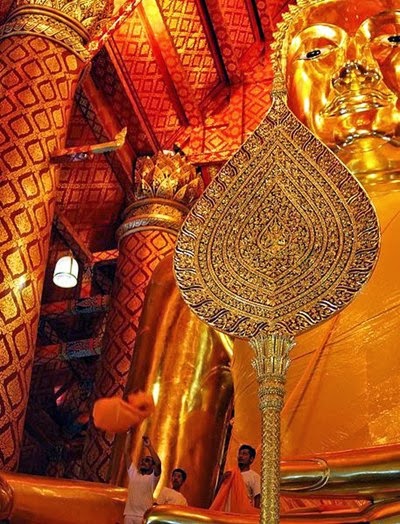
Wat Panancheong at Ayutthaya- a MUST VISIT temple also known as 'Sum Poh Kong' temple also housed several Guan Yin
Wat Yai Chaimongkhon, another MUST VISIT temple in Ayutthaya
Wat Mahathat - famous buddha head in tree
Wat Chai Wathanaram - no head buddha

Wat Phra Chao Phananchoeng is located southeast of Ayutthaya island at the confluence of the Pasak River and the Chao Phraya River.
According to historical records a first temple was built at the site in 1324 A.D. (before the founding of Ayutthaya).
The Huge Buddha image - made of brick and mortar and covered with stucco - sits in the
classic posture of Subduing Mara. It measures (approx) 14 meters at the lap and 19
meters in height including the ornament above the head. Thai people call it “Luang Phor
To” or “Great Reverend Father”, Chinese or Thais of Chinese origin call it “Sam Po
Kong”. It is one of the largest, oldest, beautiful and revered Buddha images of Thailand
Wat Phanan Choeng is a busy wat, with many Thai people worshipping there. They reportedly offer worship to the image and obtain predictions of their luck. You will also notice a lot of Chinese characters and writing before entering the main building. Chinese people name the image 'Sum Poh Kong', which means 'Good Luck in Boating'.
The Buddha Image itself measures 14.25 meters from knee to knee, and 19 meters in height (including the ornament above the head). Is has the posture of Subduing Mara (as so many Buddha Images in Thailand). While it is constructed of bricks and mortar, the Buddha Image now is completely gilded.
This temple is different from most other temples you may visit in Ayutthaya, since it is a 'living' one. Many Thais (and Chinese) worship here. At the time we visited a ceremony was taken place, where the robes of the Buddha Image were being changed
Belief
Faith in the magical power of Luangpho To has traveled far. People believe that praying to Luangpho helps make their trade flourish and brings about achievement in their career. Parents whose child falls ill frequently offer their child to be Luangpho’s godchild, or make an offering with a candle and incense sticks and pray for Luangpho’s power to ward oft the ailment. The Chinese pray for wealth and happiness, and they often bring Luangpho To a robe, fruits, food or dessert as offerings. In practice, not just praying, people should follow the Dhamma offering respect to Samma-ajiva and Sammavayama which means having the right career and right effort, respectively. Those who practice the Dhamma shall be loved by others, receive compassion and succeed in business.
Visit by Zheng He
The temple was visited in 1407 CE by Zheng He, a Chinese eunuch admiral from Yunnan who leading his second Ming imperial voyage.
He bestowed gifts upon the temple in a great ceremony that
included Siamese royal participation, and is today remembered
by Thai-Chinese visitors who still visit the temple in his honour.
Beside the temple is the big chao praya river where there are many big fishes. you can purchase fish foods from the stalls and feed the big fish as a form of good karma.
GETTING THERE:
By Car
From Bangkok, one can get to Phra Nakhon Si Ayutthaya by various routes:
* Take Highway No.1 (Phahon Yothin) via Pratu Nam Phra In and turn into Highway No.32, then, turn left to Highway No.309 to Phra Nakhon Si Ayutthaya.
* Take Highway No.304 (Chaeng Watthana) or Highway No.302 (Ngam Wong Wan), turn right into Highway No.306 (Tiwanon), cross Nonthaburi or Nuanchawi Bridge to Pathum Thani, continue on Highway No.3111 (Pathum Thani – Sam Khok – Sena) and turn right at Amphoe Sena into Highway No.3263 to Phra Nakhon Si Ayutthaya.
* Take Highway No.306 (Bangkok–Nonthaburi–Pathum Thani), at Pathum Thani Bridge Intersection, turn into Highway Nos.347 and 3309 via Bang Sai Royal Folk Arts and Crafts Centre, Amphoe Bang Pa-in, to Phra Nakhon Si Ayutthaya.
* Take Expressway No.9 (Si Rat Expressway) via Nonthaburi – Pathum Thani and down to Highway No.1 via Bang Sai Royal Folk Arts and Crafts Centre, turn left into Highway No.3469 towards Bang Pahan and turn right at Worachet Intersection to Phra Nakhon Si Ayutthaya.
By Taxi
One can also contact a taxi for pick up at the international airport of Bangkok. For example: Car Service, phone: +66 (0) 2819 5390, email: raksacharoen@hotmail.comThis email address is being protected from spambots. You need JavaScript enabled to view it. ). Advance booking possible. ~1200Bahts one way.
By Minibus (Van)
Convenient minibus service (can get stuck in traffic, but makes no stops like regular buses) operates from the Victory Monument square in Bangkok. Take BTS Skytrain to the Victory Monument station, and go right on the elevated walkway - keep on it until you cross a large road, then descend - the buses are parked at the side side of the main traffic circle). The cost is usually ~70 baht, takes around 1 hour or 1 hour 20 min. It's quite convenient since you don't have to go to bus terminals (nearby Mochit) but the only problem is that the minibuses don't have much space to put big bags and have to wait until the car is fully filled.
Minibuses (van) from Kanchanaburi can be arranged by guesthouses or any tour operators for around 350 baht.
By Train
The cheapest and most scenic way of reaching Ayutthaya is by train. It regularly departs from Bangkok's Hualamphong Train Station and stops in Ayutthaya. The trip takes about 2 - 2.5 hrs depending on the type of service. Second class seats(A/C) cost 245 baht, third class is just 20 baht (no reservations and seats are not guaranteed). (Fares in April 2010) Check time table here: http://www.railway.co.th/English/Time_HTML.asp (Please note that fares listed on the Thai railways site are out of date and incorrect).
Wat Yai Chaimongkhon, another MUST VISIT TEMPLE in Ayutthaya
Wat Yai Chai Mongkhon was constructed in the reign of the King U-Thong (Ayutthaya’s first monarch) in 1357, for the returned monks of a predominantly strict order trained in Ceylon. The temple is also known as Chao Phraya Thai Temple. The key attractions in this place of worship are the huge Pagoda and big image of Reclining Buddha. The pagoda is in bell-shaped, about 60 meters high, built on a mound of raised soil with steps going up to the Buddhist image positioned halfway to the top. The main Pagoda is enclosed by 4 minor pagodas. In front of the pagoda are the stumps of columns which once hold up the top of the temple. The pagodas in the temple was built in 1592 to celebrate King Naresuan the great’s single-handed defeat of the Burmese Crown Prince after an elephant back combat in the same year.

Inside this tourist attraction, the big image of Reclining Buddha was also built in the era of King Naresuan the Great as the meditation place for the king. Comparable to all the temples and palaces in Ayutthaya, the temple was raided by the Burmese when Ayutthaya was taken in 1767. Nowadays, the temple is still functioning. There is a museum about King Nareusan of Autthaya located inside the temple as well.
Getting There:
Bang Pa-in Rd (1 km east of Wat Phananchoeng). 8PM-6PM, daily. Admission: 20 baht
Open Hours : Daily 08.00 - 18.00
Admission Fee : 20 Baht
Wat Mahathat - famous buddha head in tree
Wat Chai Wathanaram - no head buddha
Getting to Ayutthaya : (if you find it a hassle, i suggest hired a taxi about baht 2000 for whole day from Bangkok City)
If using public transport, we suggest you go to Ayutthaya either by train or by minivan.
Many trains leave daily from Bangkok's Hua Lamphong railway station (which is located at the MRT subway terminal). They often stop there on the way up further north. The train ride takes about 90 minutes, half of which is spent getting out of Bangkok. Probably you should avoid the few second-class trains. Being rather unaware of the difference in price, we paid 315 baht for a one-way ticket and got a ride in a rather delapidated passenger car. But you get air-conditioning and a free meal is included. The third-class trains costs only 15 baht if I remember well, in any case much less. Interestingly, our second-class train was almost full, with people that I doubt would (or could) fork out 300 baht for the ride, so likely there is two-tier pricing at work.
If your hotel is in the eastern or middle part of Ayutthaya, you should walk west (go opposite of railway station) towards the river, just 200 meters away. There is a ferry service that takes you over the river for just a few baht, beats making a big detour over the bridge, a few kilometers south, with a local tuktuk.
Minivans leave regularly (every 30 minutes or so) from Victory Monument in Bangkok (at the Victory Monument skytrain station). It takes just over an hour to reach Ayutthaya (depending on Bangkok traffic). The minivan's station in Ayutthaya is off Naresuan road (Ayutthaya's free-wheeling bus station). It costs only 60 baht one-way. Be aware that Thai minivan drivers take more risks than advisable, so using a minivan is just a bit less safe than going by train.
Buses from Bangkok are not practical, since you first would have to get to the Norhern Bus Station. It just takes too much time to get there.
Two of the chedis at Wat Phra Sisanphet.
Getting around in Ayutthaya :
A lot of the historical monuments are clustered together. Nevertheless, since we are talking about big temple compounds here, it would take just a bit too much energy and time to walk from one temple to another. The way to go is by bicycle. Bicycles can be rented all over town, prices vary between 40 and 100 baht a day. You will not get an upmarket mountain bike though, just a cheaper model, which may be quite reliable though. Make sure to check the tires and brakes. You may be able to get a lock, but certainly not all shops will provide you with one.
While there are a lot of wats in the middle and western part of Ayutthaya, some interesting ones are located on the outskirts of town, that is outside Ayutthaya 'island'. We went to Wat Yai Chai Mongkol (east of town), which is about 5 km by bike, and Wat Chai Wattanaram, (west of town), which we estimate is about 10 km. The roads are OK, the traffic in Ayutthaya a bit awful, also with many double-parked cars.
Wat Phanan Choeng, an interesting temple, is located just southeast of the city. Be aware that there is a ferry service that can get you there, and you take your bike on the boat, just be a bit careful.
Use suntan when cycling around Ayutthaya! And put it on your wrist and fingers, and on your shins and feet if you do not wear socks. The sun here can be treacherous.
There are a lot of tuktuks available. You have to negotiate the price. Groups of tuktuk drivers often are located together in certain locations, and then you seem to have to negotiate with the 'boss' of the gang, who will designate the driver. We took a tuktuk to visit Wat Phutthaisawan (south of town) which costs us 200 baht (we did not negotiate), and the driver waited there for us about 90 minutes. It may be useful to combine a visit to Wat Phutthaisawan with a visit of Wat Chai Wattanaram (300 baht?). You could probably use a tuktuk if you visit Wat Phu Khao Thong, or even Wat Yai Chai Mongkol if you are a bit tired or not fit.
map of temples in ayuthaya
source: http://www.ayutthaya2020.com/ayutthayamap.asp
Wat Panancheong at Ayutthaya- a MUST VISIT temple also known as 'Sum Poh Kong' temple also housed several Guan Yin
Wat Yai Chaimongkhon, another MUST VISIT temple in Ayutthaya
Wat Mahathat - famous buddha head in tree
Wat Chai Wathanaram - no head buddha

Wat Phra Chao Phananchoeng is located southeast of Ayutthaya island at the confluence of the Pasak River and the Chao Phraya River.
According to historical records a first temple was built at the site in 1324 A.D. (before the founding of Ayutthaya).
The Huge Buddha image - made of brick and mortar and covered with stucco - sits in the
classic posture of Subduing Mara. It measures (approx) 14 meters at the lap and 19
meters in height including the ornament above the head. Thai people call it “Luang Phor
To” or “Great Reverend Father”, Chinese or Thais of Chinese origin call it “Sam Po
Kong”. It is one of the largest, oldest, beautiful and revered Buddha images of Thailand
Wat Phanan Choeng is a busy wat, with many Thai people worshipping there. They reportedly offer worship to the image and obtain predictions of their luck. You will also notice a lot of Chinese characters and writing before entering the main building. Chinese people name the image 'Sum Poh Kong', which means 'Good Luck in Boating'.
The Buddha Image itself measures 14.25 meters from knee to knee, and 19 meters in height (including the ornament above the head). Is has the posture of Subduing Mara (as so many Buddha Images in Thailand). While it is constructed of bricks and mortar, the Buddha Image now is completely gilded.
This temple is different from most other temples you may visit in Ayutthaya, since it is a 'living' one. Many Thais (and Chinese) worship here. At the time we visited a ceremony was taken place, where the robes of the Buddha Image were being changed
Belief
Faith in the magical power of Luangpho To has traveled far. People believe that praying to Luangpho helps make their trade flourish and brings about achievement in their career. Parents whose child falls ill frequently offer their child to be Luangpho’s godchild, or make an offering with a candle and incense sticks and pray for Luangpho’s power to ward oft the ailment. The Chinese pray for wealth and happiness, and they often bring Luangpho To a robe, fruits, food or dessert as offerings. In practice, not just praying, people should follow the Dhamma offering respect to Samma-ajiva and Sammavayama which means having the right career and right effort, respectively. Those who practice the Dhamma shall be loved by others, receive compassion and succeed in business.
Visit by Zheng He
The temple was visited in 1407 CE by Zheng He, a Chinese eunuch admiral from Yunnan who leading his second Ming imperial voyage.
He bestowed gifts upon the temple in a great ceremony that
included Siamese royal participation, and is today remembered
by Thai-Chinese visitors who still visit the temple in his honour.
Beside the temple is the big chao praya river where there are many big fishes. you can purchase fish foods from the stalls and feed the big fish as a form of good karma.
GETTING THERE:
By Car
From Bangkok, one can get to Phra Nakhon Si Ayutthaya by various routes:
* Take Highway No.1 (Phahon Yothin) via Pratu Nam Phra In and turn into Highway No.32, then, turn left to Highway No.309 to Phra Nakhon Si Ayutthaya.
* Take Highway No.304 (Chaeng Watthana) or Highway No.302 (Ngam Wong Wan), turn right into Highway No.306 (Tiwanon), cross Nonthaburi or Nuanchawi Bridge to Pathum Thani, continue on Highway No.3111 (Pathum Thani – Sam Khok – Sena) and turn right at Amphoe Sena into Highway No.3263 to Phra Nakhon Si Ayutthaya.
* Take Highway No.306 (Bangkok–Nonthaburi–Pathum Thani), at Pathum Thani Bridge Intersection, turn into Highway Nos.347 and 3309 via Bang Sai Royal Folk Arts and Crafts Centre, Amphoe Bang Pa-in, to Phra Nakhon Si Ayutthaya.
* Take Expressway No.9 (Si Rat Expressway) via Nonthaburi – Pathum Thani and down to Highway No.1 via Bang Sai Royal Folk Arts and Crafts Centre, turn left into Highway No.3469 towards Bang Pahan and turn right at Worachet Intersection to Phra Nakhon Si Ayutthaya.
By Taxi
One can also contact a taxi for pick up at the international airport of Bangkok. For example: Car Service, phone: +66 (0) 2819 5390, email: raksacharoen@hotmail.comThis email address is being protected from spambots. You need JavaScript enabled to view it. ). Advance booking possible. ~1200Bahts one way.
By Minibus (Van)
Convenient minibus service (can get stuck in traffic, but makes no stops like regular buses) operates from the Victory Monument square in Bangkok. Take BTS Skytrain to the Victory Monument station, and go right on the elevated walkway - keep on it until you cross a large road, then descend - the buses are parked at the side side of the main traffic circle). The cost is usually ~70 baht, takes around 1 hour or 1 hour 20 min. It's quite convenient since you don't have to go to bus terminals (nearby Mochit) but the only problem is that the minibuses don't have much space to put big bags and have to wait until the car is fully filled.
Minibuses (van) from Kanchanaburi can be arranged by guesthouses or any tour operators for around 350 baht.
By Train
The cheapest and most scenic way of reaching Ayutthaya is by train. It regularly departs from Bangkok's Hualamphong Train Station and stops in Ayutthaya. The trip takes about 2 - 2.5 hrs depending on the type of service. Second class seats(A/C) cost 245 baht, third class is just 20 baht (no reservations and seats are not guaranteed). (Fares in April 2010) Check time table here: http://www.railway.co.th/English/Time_HTML.asp (Please note that fares listed on the Thai railways site are out of date and incorrect).
Wat Yai Chaimongkhon, another MUST VISIT TEMPLE in Ayutthaya
Wat Yai Chai Mongkhon was constructed in the reign of the King U-Thong (Ayutthaya’s first monarch) in 1357, for the returned monks of a predominantly strict order trained in Ceylon. The temple is also known as Chao Phraya Thai Temple. The key attractions in this place of worship are the huge Pagoda and big image of Reclining Buddha. The pagoda is in bell-shaped, about 60 meters high, built on a mound of raised soil with steps going up to the Buddhist image positioned halfway to the top. The main Pagoda is enclosed by 4 minor pagodas. In front of the pagoda are the stumps of columns which once hold up the top of the temple. The pagodas in the temple was built in 1592 to celebrate King Naresuan the great’s single-handed defeat of the Burmese Crown Prince after an elephant back combat in the same year.

Inside this tourist attraction, the big image of Reclining Buddha was also built in the era of King Naresuan the Great as the meditation place for the king. Comparable to all the temples and palaces in Ayutthaya, the temple was raided by the Burmese when Ayutthaya was taken in 1767. Nowadays, the temple is still functioning. There is a museum about King Nareusan of Autthaya located inside the temple as well.
Getting There:
Bang Pa-in Rd (1 km east of Wat Phananchoeng). 8PM-6PM, daily. Admission: 20 baht
Open Hours : Daily 08.00 - 18.00
Admission Fee : 20 Baht
Wat Mahathat - famous buddha head in tree
Wat Chai Wathanaram - no head buddha
Getting to Ayutthaya : (if you find it a hassle, i suggest hired a taxi about baht 2000 for whole day from Bangkok City)
If using public transport, we suggest you go to Ayutthaya either by train or by minivan.
Many trains leave daily from Bangkok's Hua Lamphong railway station (which is located at the MRT subway terminal). They often stop there on the way up further north. The train ride takes about 90 minutes, half of which is spent getting out of Bangkok. Probably you should avoid the few second-class trains. Being rather unaware of the difference in price, we paid 315 baht for a one-way ticket and got a ride in a rather delapidated passenger car. But you get air-conditioning and a free meal is included. The third-class trains costs only 15 baht if I remember well, in any case much less. Interestingly, our second-class train was almost full, with people that I doubt would (or could) fork out 300 baht for the ride, so likely there is two-tier pricing at work.
If your hotel is in the eastern or middle part of Ayutthaya, you should walk west (go opposite of railway station) towards the river, just 200 meters away. There is a ferry service that takes you over the river for just a few baht, beats making a big detour over the bridge, a few kilometers south, with a local tuktuk.
Minivans leave regularly (every 30 minutes or so) from Victory Monument in Bangkok (at the Victory Monument skytrain station). It takes just over an hour to reach Ayutthaya (depending on Bangkok traffic). The minivan's station in Ayutthaya is off Naresuan road (Ayutthaya's free-wheeling bus station). It costs only 60 baht one-way. Be aware that Thai minivan drivers take more risks than advisable, so using a minivan is just a bit less safe than going by train.
Buses from Bangkok are not practical, since you first would have to get to the Norhern Bus Station. It just takes too much time to get there.
Two of the chedis at Wat Phra Sisanphet.
Getting around in Ayutthaya :
A lot of the historical monuments are clustered together. Nevertheless, since we are talking about big temple compounds here, it would take just a bit too much energy and time to walk from one temple to another. The way to go is by bicycle. Bicycles can be rented all over town, prices vary between 40 and 100 baht a day. You will not get an upmarket mountain bike though, just a cheaper model, which may be quite reliable though. Make sure to check the tires and brakes. You may be able to get a lock, but certainly not all shops will provide you with one.
While there are a lot of wats in the middle and western part of Ayutthaya, some interesting ones are located on the outskirts of town, that is outside Ayutthaya 'island'. We went to Wat Yai Chai Mongkol (east of town), which is about 5 km by bike, and Wat Chai Wattanaram, (west of town), which we estimate is about 10 km. The roads are OK, the traffic in Ayutthaya a bit awful, also with many double-parked cars.
Wat Phanan Choeng, an interesting temple, is located just southeast of the city. Be aware that there is a ferry service that can get you there, and you take your bike on the boat, just be a bit careful.
Use suntan when cycling around Ayutthaya! And put it on your wrist and fingers, and on your shins and feet if you do not wear socks. The sun here can be treacherous.
There are a lot of tuktuks available. You have to negotiate the price. Groups of tuktuk drivers often are located together in certain locations, and then you seem to have to negotiate with the 'boss' of the gang, who will designate the driver. We took a tuktuk to visit Wat Phutthaisawan (south of town) which costs us 200 baht (we did not negotiate), and the driver waited there for us about 90 minutes. It may be useful to combine a visit to Wat Phutthaisawan with a visit of Wat Chai Wattanaram (300 baht?). You could probably use a tuktuk if you visit Wat Phu Khao Thong, or even Wat Yai Chai Mongkol if you are a bit tired or not fit.
map of temples in ayuthaya
source: http://www.ayutthaya2020.com/ayutthayamap.asp
Subscribe to:
Posts (Atom)